Your Go-To Guide for Picking the Perfect Meal to Share
Sharing a meal is about more than just eating; it's about creating memories. The best shared meals spark conversation, allow everyone to try different flavors, and make dining more relaxed and social. Whether you're planning a family dinner, a casual hangout, or ordering for a busy night, picking the right menu can transform an ordinary meal into something special for everyone.
These days, people want variety, convenience, and dishes that are fun to enjoy together. That's why shareable menus, tapas-style dining, and family-style service are getting more popular. In this guide, you'll learn how to pick the perfect meal for sharing, what trends are shaping communal dining, and how to build a spread that suits different tastes, dietary needs, and group sizes. For a reliable option that makes group dining a breeze, our fresh pizza options are easy to share, satisfying, and offer plenty of variety. If you're looking for a quick dinner solution, pizza delivery can make group meals even more convenient.
As restaurants adapt to what customers want, shared meals are a clever way to mix hospitality with efficiency. Articles from Restaurantware explain how shareable menus boost social dining, while food-service reporting from ABC News highlights technology's role in making sure shared dishes get from the kitchen to the table quickly. These trends matter because the perfect shared meal is not just about taste; it's also about timing, portioning, and the overall experience.
Why Shared Meals Are So Great
They bring people together.
A meal meant for sharing naturally gets people talking. Instead of everyone focusing on their own dish, the table becomes a place for passing plates, comparing flavors, and chatting about favorites. This style of dining often feels more memorable because it turns dinner into a shared experience rather than just another meal. People tend to linger longer, relax more, and enjoy the social side of eating.
They offer more variety without the stress.
When a group shares food, everyone gets to try more than one dish without having to commit to a full portion of each. This is especially helpful for parties with different tastes since one person may want a classic option while someone else prefers something bold or spicy. Shareable dining also takes away the pressure of picking the “right” entree, as the table can order several items and let everyone sample them.
They simplify ordering
For many households, choosing one meal that suits everyone can be the hardest part of dinner planning. Shared meals simplify the process by focusing on a few solid options instead of a long list of individual choices. That's one reason pizza, wings, flatbreads, and similar dishes are popular for groups. If you're looking for a practical solution that satisfies a mixed crowd, picking up can be a quick way to bring home food that everyone can enjoy together.
Current Trends in Shareable Dining
Small plates and communal menus are trending.
One of the biggest shifts in restaurant dining is the move toward small plates and shareable menus. Instead of building a meal around a single heavy entree, restaurants are designing menus with items that can be divided easily and enjoyed in sequence. Research from US Foods shows that many diners, especially younger guests, appreciate the flexibility of food that's meant to be shared.
Technology is enhancing the dining experience.
Behind the scenes, better restaurant technology helps shared meals arrive at the table at the right time. Communication between the kitchen and service staff is faster, meaning plates can be coordinated more effectively. When several items are meant to be shared, timing is critical; nobody wants one dish arriving cold while another is still being prepared. Strong operational systems make communal dining feel smooth and enjoyable.
Guests want value and flexibility.
Shared meals often feel more valuable because they allow diners to build a table that suits different budgets and appetites. A group can order one larger item, a few sides, and maybe a salad or appetizer, creating a balanced meal without overcommitting to expensive individual entrees. This flexibility keeps shareable dining attractive in both casual and family-focused restaurants.
How to Build the Perfect Shared Meal
Start with a key item.
The easiest way to build a great shared meal is to choose one main item that anchors the table. For many groups, that might be a large pizza, a platter, or a tray of layered dishes. The anchor item should feel substantial enough to satisfy the table while also leaving room for sides and complementary flavors. A well-made pizza often works especially well because it can be customized and sliced into portions that are easy to distribute.
Add a mix of textures and flavors.
A memorable shared meal usually includes variety. If the main item is rich and savory, balance it with something crisp or fresh. If the table is already getting a lot of cheese or sauce, add vegetables or a salad to create contrast. The goal is not to serve a random mix but to create a spread where each item adds something useful to the overall experience.
Think about portion balance.
One of the biggest mistakes in shared dining is ordering too much or too little. Too much food can lead to waste, while too little leaves people hungry. Good portion planning means considering the number of guests, the size of their appetites, and whether the meal is a full dinner or a lighter gathering. For practical group planning, a menu with reliable sides like pizza, wings, breadsticks, and salads can make it easier to hit the right balance.
Menu Ideas That Work for Groups
Pizza and flatbreads
Pizza remains one of the most reliable options for shared dining because it's easy to portion, customizable, and appealing to a wide range of eaters. Different toppings let you satisfy mixed tastes without ordering separate meals for everyone. Flatbreads work similarly and can offer a different flavor profile, such as barbecue, Mediterranean, or veggie-forward combinations.
Wings, breads, and sides
Shareable meals benefit from a strong supporting cast. Garlic bread, mozzarella sticks, chicken wings, and fresh salads add variety while helping the table feel complete. These items are especially useful when the main dish is bold because they let people pace their meal and keep the experience interesting. A few well-chosen sides can make a simple spread feel more generous and satisfying.
Family-style platters and mezze-inspired spreads
Family-style dining is another excellent option because it encourages everyone to serve themselves and sample multiple dishes. Mezze platters, shared salads, roasted vegetables, and protein sides all fit this model well. In practice, the best family-style meal is one that feels abundant without being overwhelming, which is why layout and spacing matter almost as much as the food itself. Restaurants that specialize in group dining often use this approach to create a welcoming, social atmosphere.
What Diners Care About Most
Flavor variety
Most people want at least a few flavor directions represented at the table. That might mean having something cheesy, something savory, something fresh, and something with a bit of spice. The more balanced the lineup, the easier it is to please different guests. Flavor variety also helps the meal feel more exciting, because each bite offers something a little different.
Easy sharing and equal access
A common concern in group dining is whether everyone gets fair access to the food. The best shared meals solve that problem naturally through slicing, portioning, or serving methods that make it easy to divide items evenly. If there are four people at the table, the food should be arranged in a way that does not favor one person over another. A thoughtful serving approach can improve the atmosphere and reduce friction.
Dietary flexibility
Modern groups are often a mix of dietary needs and preferences. Some guests may avoid certain ingredients, while others may want more protein, more vegetables, or a lighter option. Clear labeling and a variety of choices help make the table more inclusive. Restaurants that offer customizable items make this much easier, which is one reason pizza remains such a dependable group choice. It is straightforward to build around one or two core items while still giving people options.
Menu Engineering for Better Shared Dining
Choose items that travel and reheat well.
Menu engineering is not only about profit; it is also about delivering food that performs well in real-life settings. Shared meals should travel well, stay appealing for longer, and hold their texture after delivery or pickup. That is especially important for busy families, office groups, and late-night diners. Food that arrives looking good and tasting fresh makes a stronger impression and reduces wasted money.
Keep the menu easy to understand
A shareable menu works best when the options are clear. Guests should be able to tell what pairs well, which items are best for a small group, and how many people a platter can feed. Too many confusing choices can slow down ordering and make the whole experience feel less approachable. Simple, well-organized menus tend to convert better because they help guests make decisions quickly.
Use value bundles strategically.
One advantage of group dining is that value bundles can make ordering easier and more appealing. Bundles combine a main item with sides or drinks, creating a straightforward solution for families and teams. This is also where the right restaurant can stand out, because a carefully designed bundle feels like a complete plan rather than a random discount. If you are comparing meal options for a busy evening, it can be helpful to check out convenient ordering paths such as delivery or faster carryout choices through pickup.
Local Dining Opportunities and Real-World Use Cases
Busy weeknights and family meals
In places like South Salt Lake, where people often balance work, school, and family schedules, shared meals make practical sense. A pizza-and-sides spread can handle different appetites, keep planning simple, and make dinner feel less stressful. For families who need a dependable option after a long day, the shared meal model offers convenience without sacrificing quality. That is one reason restaurants that focus on fast, reliable service continue to be popular.
Group gatherings and casual celebrations
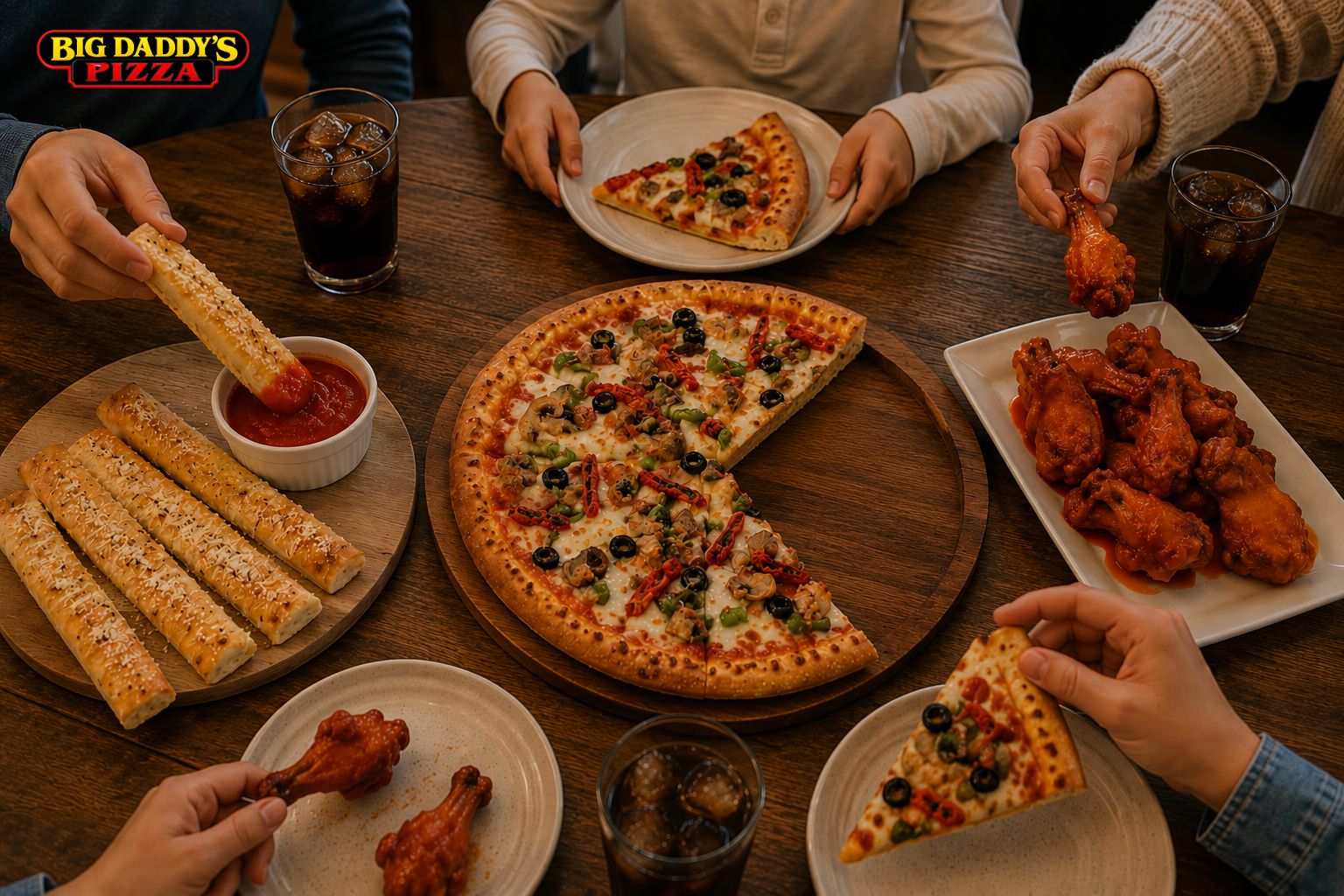
Shared meals are ideal for birthdays, game nights, informal office gatherings, and weekend get-togethers. They remove much of the pressure that comes with serving individual plates and allow the group to spend more time talking and less time coordinating. In a real-world example, a casual group order might include a couple of pizzas, wings, and breadsticks, which gives the table enough variety for most guests to find something they like. The meal feels generous, but it still remains easy to manage.
Restaurant case study: a group-friendly approach
A strong example of this model comes from restaurants that build menus around shareable platters and family-style sides. Research shared by sources like Carnys illustrates how Mediterranean mezze platters and side-focused menus can serve groups of four to eight people effectively. The lesson is clear: when the menu is designed for sharing, guests feel more comfortable sampling, talking, and staying longer. That combination can improve satisfaction and encourage repeat visits.
Common Questions About Shared Meals
How do I make sure everyone gets enough?
Start with the size of the group, then plan around appetite and meal type. If the meal is replacing dinner, choose a fuller spread with a main item and multiple sides. If it is a lighter social gathering, a few shareable plates may be enough. Building in one extra item is usually safer than under-ordering, especially if the table includes people with larger appetites.
What if some guests have restrictions?
The best solution is to include at least one flexible option and a variety of ingredients. A customizable pizza can work well because different sections can be built differently, and other items can be selected to avoid common allergens or preferences. When possible, check ingredient lists and ask about preparation details. For broader guidance on safe food handling and consumer awareness, the FDA’s food safety resources are a useful reference point.
How can I keep shared dining fair?
Choose dishes that can be portioned evenly and served in the center of the table. Cutting pizzas into matching slices, splitting sides into equal portions, and using serving utensils all make the experience smoother. If the group is large, it can help to serve in rounds so everyone gets first access before second helpings begin. Small details like these keep the meal friendly and organized.
How to Order a Better Shared Meal Tonight
Follow a simple planning formula.
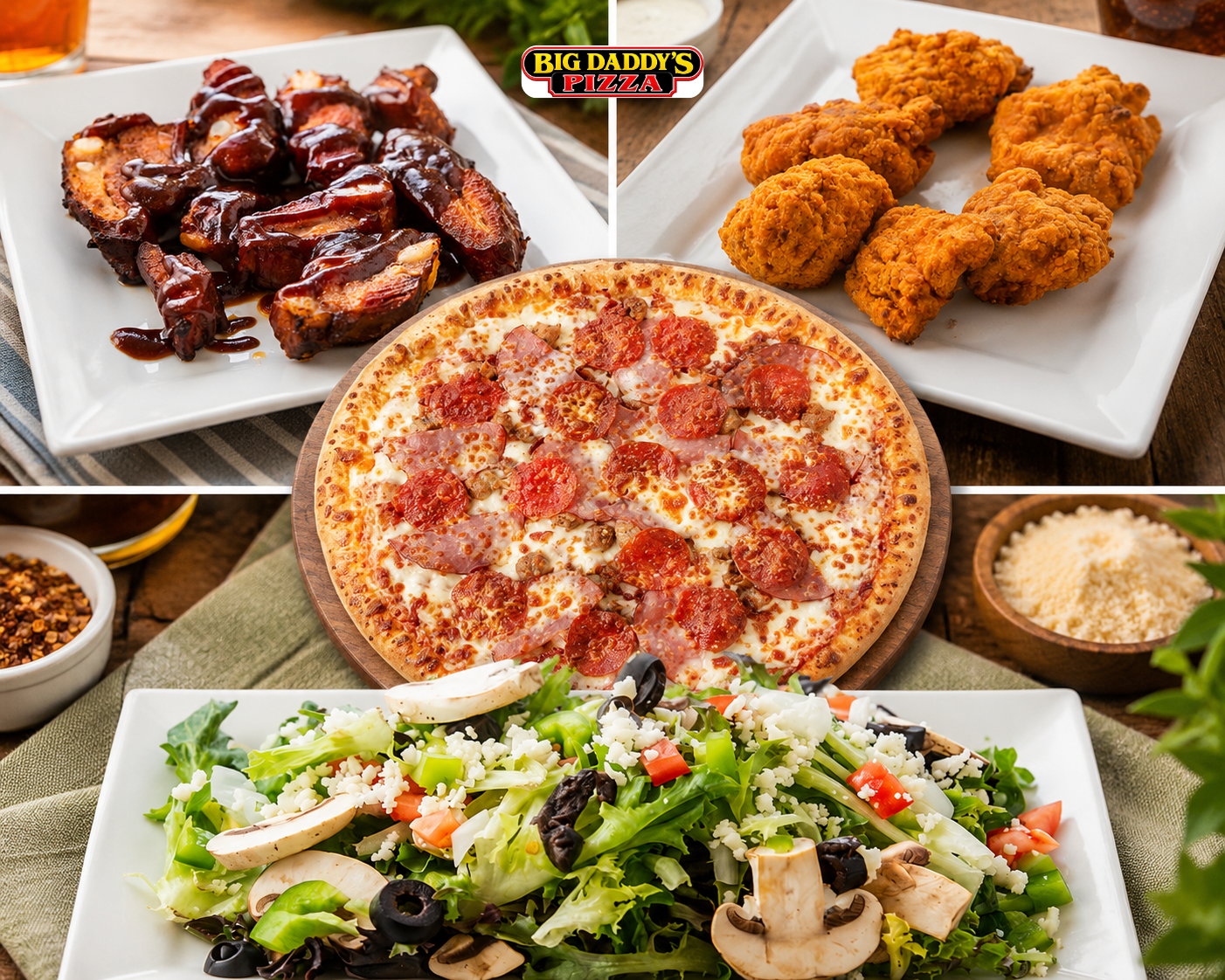
The easiest formula for shared dining is one main item, two or three sides, and one fresh or lighter component. For example, a pizza base, chicken wings, garlic bread, and a salad can cover most needs without becoming too complicated. This kind of structure is practical, affordable, and appealing to a broad audience. It also makes ordering faster because you are not trying to build an elaborate menu from scratch.
Think about convenience and timing.
Convenience matters just as much as food quality, especially when people are hungry and schedules are tight. Delivery can be the best fit for evenings when nobody wants to leave the house, while pickup works well when you want control over timing and speed. Either way, a well-planned shared meal can reduce stress and help everyone get to the table sooner. That is one of the biggest advantages of choosing a restaurant experienced in feeding groups.
Use local expertise to make the choice easier.
When you want a dependable option, working with a restaurant that understands shareable dining can save time and improve the outcome. Big Daddy’s Pizza focuses on fresh, flavorful food that is easy to customize and convenient for groups. From family dinners to late-night orders, the right mix of portions and variety can help you create a meal that fits the occasion. For readers who want a practical local option, Big Daddy’s Pizza in South Salt Lake offers a reliable way to bring shared dining home.
Wrapping Up: Build the Table, Not Just the Meal
Choosing the perfect meal for sharing is really about designing an experience. The best group meals balance flavor, portion size, convenience, and variety while making it easy for everyone to participate. When you choose dishes that are simple to divide, satisfying to eat, and flexible enough for different preferences, the whole table benefits. Shared meals are popular because they are social, practical, and memorable all at once.
If you are planning your next group dinner, start with a dependable anchor item, add a few well-chosen sides, and think about how the meal will actually be served. Pay attention to dietary needs, equal access, and ease of ordering. Then use convenient options like delivery or pickup to make the process smoother. Ready to make your next meal easier to share? Explore the menu, gather your group, and turn dinner into a better experience for everyone.